LEARN · PRACTICE · EXPLORE
Idaho Grade 6 English
Compare slender and scrawny in two original descriptions, explain their connotations, and practice selected Idaho Grade 6 vocabulary references.
Focused lessons · Useful practice · Clear next steps
What do Idaho 6th graders learn in ELA?
In 6th grade, Idaho English language arts centers on citing textual evidence, central idea, word choice, and argument writing. Students take the ISAT grade 6 ELA test in the spring. This page explains each Idaho grade 6 ELA standard and pairs it with short lessons and a full-length practice test.
Standards source: Idaho English Language Arts, Idaho Department of Education.
Separate a word’s basic description from its suggested attitude
Two words can describe a similar visible feature while suggesting different attitudes toward it. This activity examines connotation through a pair of short descriptions. Read the whole sentence before deciding on the tone, and keep the narrator’s wording separate from an objective measurement of the object.
Curriculum source: Idaho Content Standards for English Language Arts/Literacy, January 2022, from the Idaho Department of Education standards directory.
Idaho Grade 6 references for this activity
Idaho’s current English document includes Grade 6 expectations across reading, writing, language, speaking, and listening. The expectations selected here support this activity; use the whole document and the school’s sequence for wider coverage.
| Grade-level expectation | Activity focus | Official requirement |
|---|---|---|
| 6.VD.WB.2c | Distinguish connotations of words with similar denotations | Read the state document (PDF page 38) |
| 6.VD.WB.2d | Explain word choice and tone | Read the state document (PDF page 38) |
These are selected grade-level expectations from Idaho’s current English standards. Activity labels describe a teaching focus rather than reproduce complete requirements. Read the linked grade-level document, including the reading, writing, language, speaking, and listening sections, alongside the school’s curriculum sequence.
A worked Grade 6 reading and writing activity
This original classroom example is separate from official assessment questions.
Description A: The artist placed a slender wooden figure beside the painted house, giving the scene a delicate silhouette.
Description B: The critic pointed to the scrawny wooden figure beside the painted house and said it looked unfinished.
| Word | Shared descriptive idea | Context-supported association |
|---|---|---|
| slender | Thin form | Graceful / favorable here |
| scrawny | Thin form | Inadequate / critical here |
| thin | Thin form | Less judgment in the adjective alone |
Try the activity
Identify the shared descriptive idea in slender and scrawny. Explain how each surrounding sentence helps establish the attitude toward the figure. Then replace the adjective in each version with thin and compare how much judgment remains in the rest of the sentence.
Follow the reasoning
Both words can suggest a thin form, but slender often carries a graceful or favorable association, while scrawny often suggests an unattractively thin or inadequate appearance. Delicate silhouette helps support the favorable reading of A; looked unfinished supports the critical reading of B. The object is a wooden figure, so the exercise concerns the description’s attitude, not a judgment about a person’s health. Replacing either adjective with thin reduces that adjective’s evaluative force, although the remaining language still shapes each version’s tone.
Notice what needs more practice
Connotations are associations in context, not automatic labels that replace reading. A sentence can use a usually favorable word sarcastically, and a character’s opinion can differ from the narrator’s. Here the surrounding details make the comparison clear. Do not infer the figure’s exact width, material quality, or maker’s ability from either adjective alone. Both versions can describe the same object while presenting different judgments about it. The reader should identify the wording responsible for an interpretation rather than treat the interpretation as a measured fact.
Use the next session to build independence
- Identify the basic descriptive meaning shared by the words.
- Use surrounding details to explain the suggested attitude.
- Test a more neutral replacement and describe what changes.
Write two sentences about the same quiet room using peaceful in one and deserted in the other. Add context that supports each intended impression, then ask a partner to identify the words shaping the tone. Discuss how a room’s measurable features can stay the same while descriptions differ. Revise a sentence that does not communicate the intended attitude. Extend the comparison to a paragraph so students examine patterns of word choice, rather than claim one isolated adjective always determines a text’s entire mood or tone.
For more general reading and writing resources, visit the Grade 6 English Online Center.
Idaho Grade 6 English: useful planning questions
Will replacing one adjective make a whole sentence neutral?
Not necessarily. Thin reduces the judgment in the selected adjective, but delicate silhouette and looked unfinished still shape these sentences. Explain both the changed word and the surrounding language.
Where are the complete state requirements?
Idaho’s current English document includes Grade 6 expectations across reading, writing, language, speaking, and listening. The expectations selected here support this activity; use the whole document and the school’s sequence for wider coverage. The school’s sequence also includes reading, writing, speaking, listening, and language work beyond this example.
Official sources checked October 6, 2026. Grade 6 is within the ISAT English language arts testing range. This original lesson is independent practice. Read the Idaho assessment overview and use the school’s guidance for preparation. Idaho’s 2024 essential-standards guidance helps schools prioritize teaching; it does not revise or remove the adopted standards and is not a mandate. The state assessment overview explains ISAT and alternate-assessment pathways; follow the school’s current assignment and guidance. This site’s practice and books are independently published. Check their editions and contents against current standards and assessment guidance.
Grade 6 English in other states
When moving between school systems, compare the official curriculum and the school’s learning sequence. Use the national Online Center’s map to find another state’s resources.
Recommended Idaho Grade 6 resources
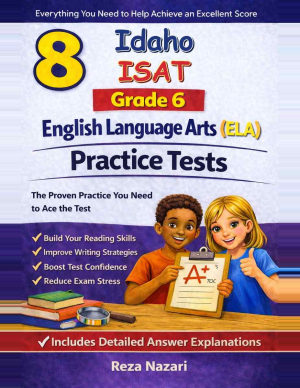
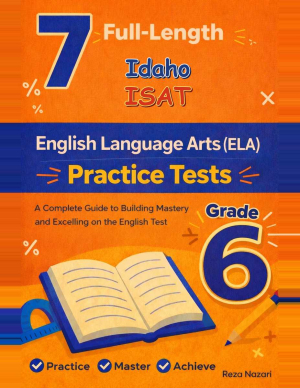
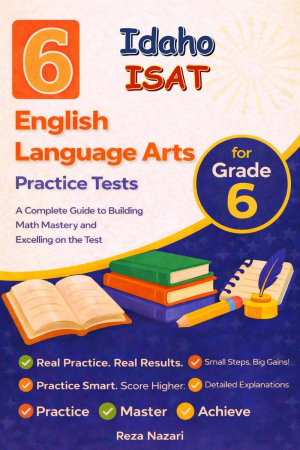
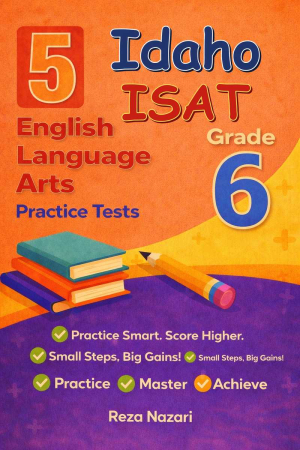
Build a Strong Idaho Grade 6 ISAT English Practice Library
These independently published resources have their own coverage and editions. Check the contents alongside Idaho’s current English standards before choosing assessment preparation.
Use these Idaho Grade 6 resources for reading comprehension, language, writing, and full-length practice where available. Click any cover to open the resource page.
More Grade 6 resources
A USEFUL NEXT STEP
Idaho Grade 6 English: study questions
Will replacing one adjective make a whole sentence neutral?
Not necessarily. Thin reduces the judgment in the selected adjective, but delicate silhouette and looked unfinished still shape these sentences. Explain both the changed word and the surrounding language.
Where are the complete Idaho Grade 6 requirements?
Idaho’s current English document includes Grade 6 expectations across reading, writing, language, speaking, and listening. The expectations selected here support this activity; use the whole document and the school’s sequence for wider coverage.
Official source ↗Resources from Effortless Math · Editorial standards