LEARN · PRACTICE · EXPLORE
Idaho Grade 4 English
Read two original versions of a classroom scene, compare the narrator’s position and access to thoughts, and use a selected Idaho Grade 4 literature reference.
State resources · Focused study · Clear next steps
What do Idaho 4th graders learn in ELA?
In 4th grade, Idaho English language arts centers on theme and summary, text structure, figurative language, and multi-paragraph essays. Students take the ISAT grade 4 ELA test in the spring. This page explains each Idaho grade 4 ELA standard and pairs it with short lessons, printable worksheets and a full-length practice test.
Printable Idaho grade 4 ELA books:
Standards source: Idaho English Language Arts, Idaho Department of Education.
Compare who tells two versions of a scene
Pronouns can help identify a narrator, but a useful comparison also explains whose experience the story presents. These two short versions keep the same events while changing the narrator’s position. They introduce a selected point-of-view focus before students apply it to longer stories.
Curriculum source: Idaho Content Standards for English Language Arts/Literacy, January 2022, from the Idaho Department of Education standards directory.
Idaho Grade 4 references for this activity
Idaho’s current English document includes Grade 4 expectations across reading, writing, language, speaking, and listening. The expectations selected here support this activity; use the whole document and the school’s sequence for wider coverage.
| Grade-level expectation | Activity focus | Official requirement |
|---|---|---|
| 4.RC.L.5d | Compare first- and third-person narrations | Read the state document (PDF page 29) |
These are selected grade-level expectations from Idaho’s current English standards. Activity labels describe a teaching focus rather than reproduce complete requirements. Read the linked grade-level document, including the reading, writing, language, speaking, and listening sections, alongside the school’s curriculum sequence.
A worked Grade 4 reading and writing activity
This original classroom example is separate from official assessment questions.
Version A: I held my drawing behind the folder as the class prepared its display. I worried that the smudged corner would spoil it. When Mira asked to see the picture, I turned the folder toward her.
Version B: Noah held his drawing behind the folder as the class prepared its display. He worried that the smudged corner would spoil it. When Mira asked to see the picture, he turned the folder toward her.
| Version | Narrator position | Thoughts stated |
|---|---|---|
| A | First person: I / my | The narrator’s worry |
| B | Third person: Noah / he | Noah’s worry; not Mira’s thoughts |
Try the activity
Identify the narrator’s position in each version. Compare the events and the thoughts the reader receives. Explain whether Version B tells the reader what Mira is thinking. Support the comparison with details from the two passages rather than label every third-person narrator all-knowing.
Follow the reasoning
Version A is told by the person holding the drawing: I and my present that character’s own experience. Version B names Noah and uses he and his, presenting the scene in third person. Both versions describe the same drawing, worry, question, and action. Both give access to Noah’s worry about the smudge. Version B does not state Mira’s thoughts; it reports that she asks to see the picture. Third-person narration here does not mean the passage reveals every character’s private thinking.
Notice what needs more practice
A character’s spoken words do not by themselves identify the narrator. If a third-person story includes dialogue such as "I like your drawing," the I belongs to the speaking character. Also avoid assuming that Mira wants to criticize the picture: no motive is stated. Describe the information the narrator actually gives. The names and pronouns establish a useful starting point, but the comparison should connect narration with what the reader learns about the scene.
Grade 4 English worksheets
Choose printable practice that matches the skill being taught. Check the task, reading difficulty, and directions before assigning it; the collection is independently published.
Use the next session to build independence
- Locate the narrator’s I or the third-person name and pronouns.
- Compare the events that stay the same in both versions.
- Identify whose thoughts are stated and whose are not.
Rewrite the scene from Mira’s first-person position. Preserve the shared observable events, but decide what Mira thinks before she asks about the drawing. Mark those added thoughts as part of the new fictional version rather than facts established by the original passages. Compare how the new narrator changes the reader’s understanding. Then apply the same questions to two classroom stories: who tells each story, what can that narrator reveal, and which details support the comparison? This short pair introduces the focus; it is not a substitute for reading complete grade-level texts.
For more general reading and writing resources, visit the Grade 4 English Online Center.
Idaho Grade 4 English: useful planning questions
Does third-person narration always reveal every character’s thoughts?
No. This third-person version states Noah’s worry but does not state Mira’s thoughts. Explain the information supplied by the particular story rather than assume its narrator knows everything.
Where are the complete state requirements?
Idaho’s current English document includes Grade 4 expectations across reading, writing, language, speaking, and listening. The expectations selected here support this activity; use the whole document and the school’s sequence for wider coverage. The school’s sequence also includes reading, writing, speaking, listening, and language work beyond this example.
Official sources checked October 6, 2026. Grade 4 is within the ISAT English language arts testing range. This original lesson is independent practice. Read the Idaho assessment overview and use the school’s guidance for preparation. Idaho’s 2024 essential-standards guidance helps schools prioritize teaching; it does not revise or remove the adopted standards and is not a mandate. The state assessment overview explains ISAT and alternate-assessment pathways; follow the school’s current assignment and guidance. This site’s practice and books are independently published. Check their editions and contents against current standards and assessment guidance.
Grade 4 English in other states
When moving between school systems, compare the official curriculum and the school’s learning sequence. Use the national Online Center’s map to find another state’s resources.
Recommended Idaho Grade 4 resources
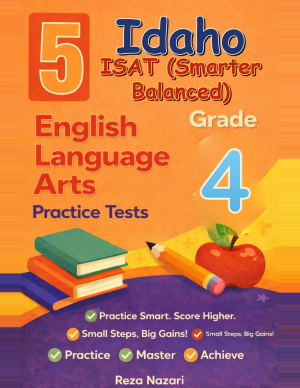
Build a Strong Idaho Grade 4 ISAT English Practice Library
These independently published resources have their own coverage and editions. Check the contents alongside Idaho’s current English standards before choosing assessment preparation.
Use these Idaho Grade 4 resources for reading comprehension, language, writing, and full-length practice where available. Click any cover to open the resource page.
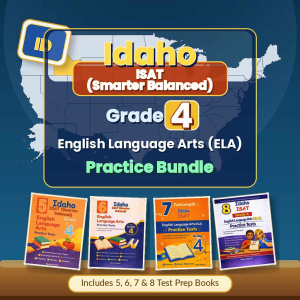
More Grade 4 resources
A USEFUL NEXT STEP
Idaho Grade 4 English: study questions
Does third-person narration always reveal every character’s thoughts?
No. This third-person version states Noah’s worry but does not state Mira’s thoughts. Explain the information supplied by the particular story rather than assume its narrator knows everything.
Where are the complete Idaho Grade 4 requirements?
Idaho’s current English document includes Grade 4 expectations across reading, writing, language, speaking, and listening. The expectations selected here support this activity; use the whole document and the school’s sequence for wider coverage.
Official source ↗Resources from Effortless Math · Editorial standards