The Real Job an RNG Does Inside a Slot Machine
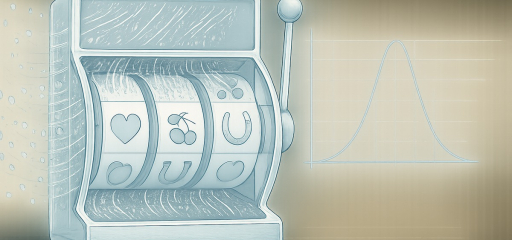
If you’ve ever stared at a slot screen waiting for a win that just won’t come, you’ve probably had the same flash of suspicion most players have at some point: is this thing actually random, or is something happening I can’t see? It’s a reasonable question. Slots wrap real probability math inside bright animations, near misses, weighted reels, and software the player never gets to inspect. So the gut reaction makes sense, but the math behind it is calmer than the screen suggests.
Here’s the short version. Regulated modern slots, online or in a casino floor cabinet, pick their outcomes through a random number generator running behind the glass. The RNG is doing real work. What it isn’t doing is what most players quietly assume: handing out outcomes evenly, getting moody after a hot streak, or memorizing your last losses. A slot’s RNG can be perfectly random and the game can still grind a steady house edge. Those two facts live together comfortably.
This isn’t an article that promises a way to beat slots. Slot RNG explained honestly doesn’t deliver an exploit. What it delivers is a clearer view of why the most common slot myths (the “due” machine, the “tightened” cabinet, the bonus that “feels close”) fall apart once you understand what the RNG is and what it isn’t. Quick caveat before the math: this is educational. Gambling should stay an adult-recreation activity where it’s legal, and if it stops feeling that way, the National Council on Problem Gambling offers real help in the U.S.
What an RNG Actually Does
RNG just stands for random number generator. Inside a modern slot machine, or its online cousin, the RNG is the piece that picks which outcome the next spin will land on. It’s a piece of software, running constantly, that produces a stream of numbers. Those numbers get mapped through the game’s outcome table to a specific symbol layout, a payline result, and, eventually, a credit balance change.

The UK Gambling Commission’s technical guidance on gaming machines notes that regulated games use a pseudo-random generator and that “random” in this technical sense doesn’t mean “physically chaotic.” It means “produced by a tested, approved algorithm whose output cannot be predicted or manipulated mid-game by an outside party.”
That distinction matters. A casino floor cabinet’s RNG isn’t an antique brass wheel of fate. It’s lines of code that produce a sequence indistinguishable from randomness for any practical purpose, audited by a regulator who genuinely doesn’t want a scandal. And it runs whether you’re pressing spin or not. That timing detail will matter later.
Random Doesn’t Mean Equal
This is the single biggest source of slot confusion. People hear “random” and silently translate it to “fair” or “evenly distributed.” Random just means the next pick can’t be predicted from what came before. The pick can still come from a bag where one ball is gold and nine hundred and ninety-nine are gray.
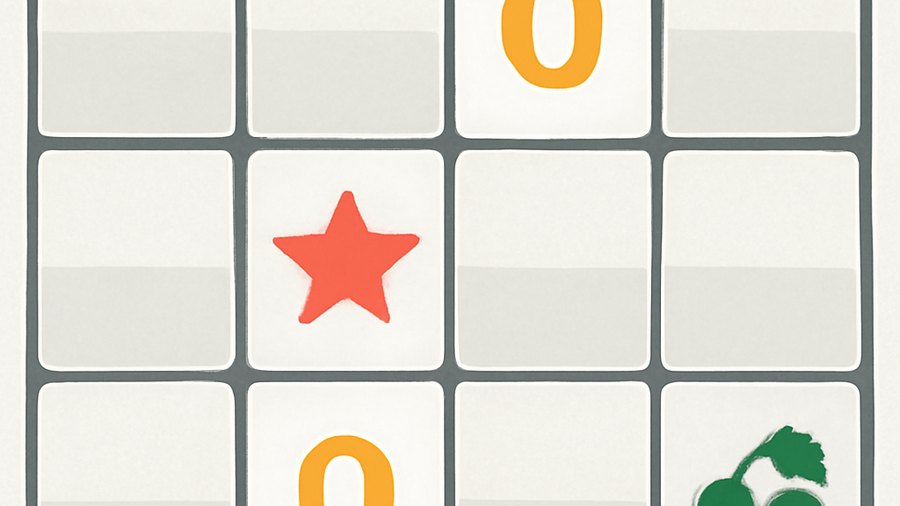
Slots are exactly that kind of bag. Some outcomes, a small win, a near miss, a blank, sit in the “very common” pile. Some, a 3-symbol bonus trigger, a free-spins entry, sit in the rare pile. A few, the top-line jackpot, sit in the practically-never pile. The RNG selects without favoritism. The bag just isn’t a fair one to begin with.
The math glue here is expected value. Multiply each outcome by its probability, sum the results, and you get the average return per dollar wagered. Effortless Math’s expected value guide walks through this with simpler examples. The slot is just the same idea, dressed up with reels and sound design.
The Weighted-Reel Trick
If you look at a slot’s visible reel and count the symbols, you’ll often see something like ten cherries, six bells, two sevens, and one jackpot icon. That visible strip is theatrical. The actual selection is done against a much longer virtual reel, sometimes 32, 64, 128 stops or more per visible reel, where the high-paying symbols appear far less often than the visible cluster suggests.
So when the reels stop and the jackpot icon lands one position above the payline, the screen draws “almost.” The RNG is just rendering one of the many losing outcomes that happen to map to a symbol near the winner. It looks like you got close. Mathematically you weren’t close at all. There were thousands of other losing outcomes in line ahead of the actual win, and a few hundred losing outcomes also map to a “near miss” display, because that’s what keeps the game emotionally engaging.
None of this is hidden in any deep sense. Game-design papers, regulator bulletins, and slot-math textbooks have described weighted reels for decades. What it means in practice: a 1-in-1,000 jackpot odds figure is real, and the visible reel telling you it’s “1 in 30” is just the dressed-up window. The RNG is honest. The shop floor is decorated.
How RTP and Volatility Hook Onto the RNG
RTP, return to player, is a long-run average of total prizes paid out divided by total stakes wagered. The UK Gambling Commission’s public RTP guidance is blunt about this: RTP is an average across a significant volume of play, not a per-session expectation. A 96% RTP slot doesn’t owe you $96 back from $100. It just means the game’s outcome distribution, sampled enough times, averages around that figure.
Volatility is the second number, the one slot marketing rarely mentions. Volatility describes how spread out the outcomes are around the RTP. Low volatility: lots of small wins, steadier sessions, less drama. High volatility: long dry spells, occasional big hits, sessions that can swing wildly. Same RTP, very different ride.
The RNG is the engine that produces both. It’s not deciding to be volatile or generous. It’s pulling from a distribution someone designed. The mean of that distribution gives you RTP. The spread gives you volatility. Effortless Math’s article on theoretical and empirical probability distributions covers exactly this gap between an underlying model and a noisy small-sample observation.
Independence, Why “Due” Doesn’t Exist
Most slot myths trace back to one missing concept: independence. Each spin draws from the same distribution. The previous spin doesn’t change the next spin’s odds. A long losing streak does not “store up” wins. A hot machine does not “owe” a cold one. Believing it does is how people end up wagering far more on a “due” cabinet than they ever intended to lose.
The UK Gambling Commission states it plainly: for random machines, the odds of the current game are not affected by previous wins or losses. The RNG isn’t accumulating debt. It’s just sampling, over and over, from a fixed bag.
This is also why “the machine felt different after the manager walked by” stories don’t survive the math. In a regulated jurisdiction, real RTP changes go through approval logs, technical standards, and audit trails, not a switch in the back office. New Jersey’s server-based gaming rules spell out approval, game recall, and outcome handling specifically because the regulator already heard every conspiracy theory.
What the RNG Won’t Do
A few things worth filing away. The RNG won’t:
- Pay you because you’ve been polite.
- Pay you because you’ve been patient.
- Withhold a bonus because someone just hit one on the cabinet next to you.
- Get warm, cold, sleepy, or moody. It has no internal weather.
- Remember anything about your session. Your loyalty card knows; the RNG doesn’t.
The list above sounds flip, but those five beliefs probably cost players more money in extended sessions than any badly-designed game does. The RNG is doing nothing more interesting than drawing the next outcome, same way it drew the last one, same way it’ll draw the next ten thousand.
The Honest Way to Read a Slot
If you’re going to play, here’s a short, math-literate checklist. Not a winning system, there isn’t one, but a way to look at the machine without lying to yourself:
- RTP first. Higher is mathematically better, but it’s an average over enormous volume, not a session refund.
- Volatility second. Higher volatility means longer dry spells and rarer big hits. Decide if your bankroll can absorb it.
- Total wagered, not deposit size. If you spin $1 stakes 300 times because small wins recycle, you’ve wagered $300, not $100. Expected loss tracks total turnover.
- Regulator status. Approved games in licensed jurisdictions are far more likely to behave the way the math claims.
That checklist won’t make slots profitable. Nothing will. It will at least keep your interpretation honest: you’re paying for entertainment with a built-in math cost, and the RNG is the indifferent dealer.
Frequently Asked Questions
Are slots actually random or just simulated random?
For regulated games, the technical term is pseudo-random, software-generated, statistically indistinguishable from true randomness for practical purposes, and audited against a published standard. For anyone who isn’t a cryptographer, the practical answer is yes, random enough that you cannot exploit the sequence.
Does each symbol have an equal chance of landing on the payline?
Not even close. Symbols are weighted on a virtual reel, with high-paying symbols deliberately rare. The RNG picks fairly from the weighted distribution; the distribution itself is not balanced, and isn’t meant to be.
If I leave the machine and someone else hits the jackpot, would I have won it?
Probably not. The RNG runs continuously, and the exact millisecond you press spin determines which output you draw. The next player who pressed at a slightly different time drew a different number. The myth that “I would’ve won if I’d stayed” almost always falls apart on that timing detail.
The Quiet Version
Strip away the lights and the slot RNG is doing something deeply boring. It samples, repeatedly, from a distribution it didn’t design. The mean of that distribution is the RTP. The spread is the volatility. The pace is determined by how fast you press the button. And nothing about your previous spin enters the next one.
That’s the whole story. The casino didn’t program a slot to wake up. They programmed it to be honest about being slightly unfavorable, for as many hours as you’d like to keep playing. The math behind slot RNG explained simply is also the math that makes nearly every “system” people share online quietly worthless. Random, weighted, independent. Three words, and you’re past most of the mythology.
Sources

Related to This Article
More math articles
- How to Graph the Cotangent Function?
- The Ultimate AP Calculus AB Course
- Work, Pay, and Occupational Segregation
- Photosynthetic Light Reactions: ATP, NADPH and Oxygen
- 4th Grade IAR Math FREE Sample Practice Questions
- Pre-Algebra Formulas
- Geometry Puzzle – Challenge 73
- Government Economic Policy and Market Failures
- The Best Grade 3 Math Book for Louisiana Students
- How to Develop Foundational Math Skills for Career Success







What people say about "The Real Job an RNG Does Inside a Slot Machine - Effortless Math"?
No one replied yet.