CLEP U.S. History I 086: Nativism and the Know-Nothing Movement
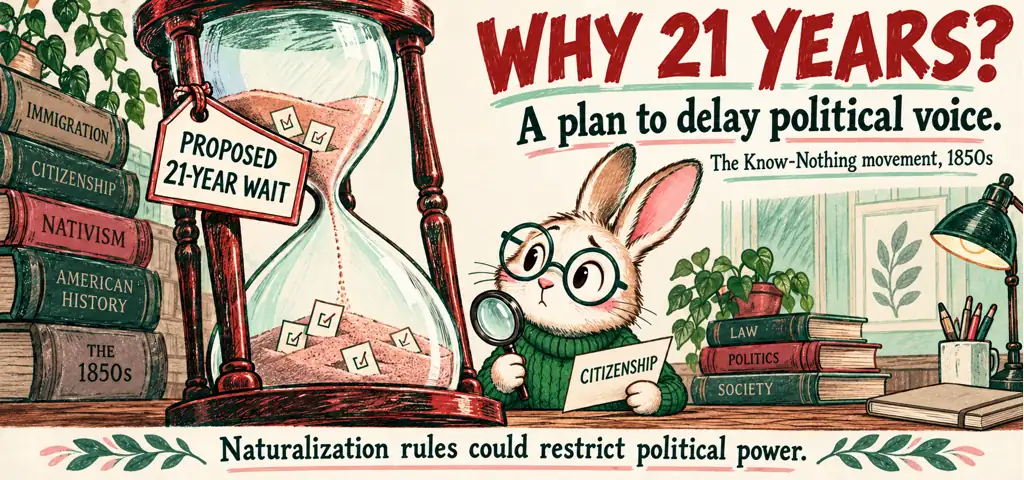
Lesson 16.2 of Chapter 16 of the U.S. History to 1877 study guide on Effortless Math covers CLEP U.S. History I 086: Nativism and the Know-Nothing Movement: the key terms, the core ideas, and worked examples showing how this topic is tested on the exam.
U.S. History to 1877 | Chapter 16 | Lesson 16.2
Nativism treated native-born Protestants as the proper guardians of the republic and Catholic immigrants as a political danger. Critics alleged that Catholics obeyed the pope rather than constitutional government. Economic downturns and job competition sharpened hostility, while rapid urban growth made cultural difference more visible. Nativist violence targeted churches, neighborhoods, and political meetings.
The American Party, commonly called the Know-Nothing Party, grew in the 1850s from secret organizations. It favored longer naturalization periods and restrictions on immigrant officeholding. Its rise also reflected the collapse of the Whig Party, which left voters searching for new political homes. Nativism could temporarily hold together northern and southern voters, but the slavery crisis made that unity hard to sustain.
Nativism was a politics of power, not merely dislike of foreign customs. Extending the waiting period for citizenship would postpone voting. Barring foreign-born officeholders would narrow representation. Attacks on Catholic schooling would privilege a Protestant civic culture. Some immigrants answered by creating voting blocs and party alliances. Others resisted being treated as a single constituency. The same institutions nativists portrayed as evidence of foreign control could function for migrants as routes into local civic life.
See the history take shape
Use this lesson from Mr. Chet Laubach to review the period and its central historical problem. Pause when the video reaches the turning point named above.
Video: Mr. Laubach – APUSH – "Know Nothing Party" (the mid 1800s), Mr. Chet Laubach.
Check your understanding
- Know-Nothing support grew chiefly from alarm about
- antislavery organizing by northern Protestants.
- Mormon settlement in the western territories.
- Catholic immigration and growing electoral influence.
- federal sales of surveyed western land.
- temperance campaigns within established churches.
- A proposal to lengthen the naturalization period would most directly delay immigrants’
- admission at an Atlantic port.
- employment in an urban workshop.
- membership in a Catholic parish.
- eligibility for state militia service.
- access to citizenship-based voting and officeholding.
- Select all forces that encouraged nativism:
- anti-Catholicism,
- job anxiety,
- urban change,
- party collapse,
- universal prosperity.
- Explain why the slavery issue made a durable national nativist party difficult.
Write a brief response using a named fact from the lesson.
Open the answers and reasoning
Independent preparation. CLEP is a registered trademark of the College Board, which does not endorse this lesson.

Related to This Article
More math articles
- Tracking, Hidden Curriculum, Credentials, and Unequal Signals
- The Best Grade 3 ELA Practice Tests for Kentucky Students
- Volume of Cubes
- CLEP College Math FREE Sample Practice Questions
- Get Fit with Math: How to Calculate Unit Prices and Total Price
- Preparing for the SAT or ACT? Here’s How to Stay Mentally Sharp Without Burning Out
- How to Find Factors of Numbers?
- The Ultimate HSPT Math Course (+FREE Worksheets & Tests)
- How to Change Base Formula for Logarithms?
- 6th Grade Common Core Math Worksheets: FREE & Printable
















What people say about "Nativism and the Know-Nothing Movement"?
No one replied yet.