How to Protect Children From Lootbox Gambling: A Responsible Gambling Guide for Parents and Educators

Gaming today is vastly different from what it was even a decade ago. While video games continue to offer rich stories, social engagement, and strategic play, one mechanic has raised significant concern among parents, researchers, and regulators: lootboxes.
These digital reward containers—often unlocked with real money or earned through gameplay—blur the line between entertainment and gambling. They can create psychological patterns in young players that resemble the habit‑forming mechanisms found in slot machines.
For instance, this responsible gambling guide aims to give practical pieces of advice to mitigate any compulsive gambling signs. So, it can, by analogy, be used by parents, guardians, and educators practical, research‑based strategies to understand lootboxes and, more importantly, protect children from early exposure to gambling‑like systems.
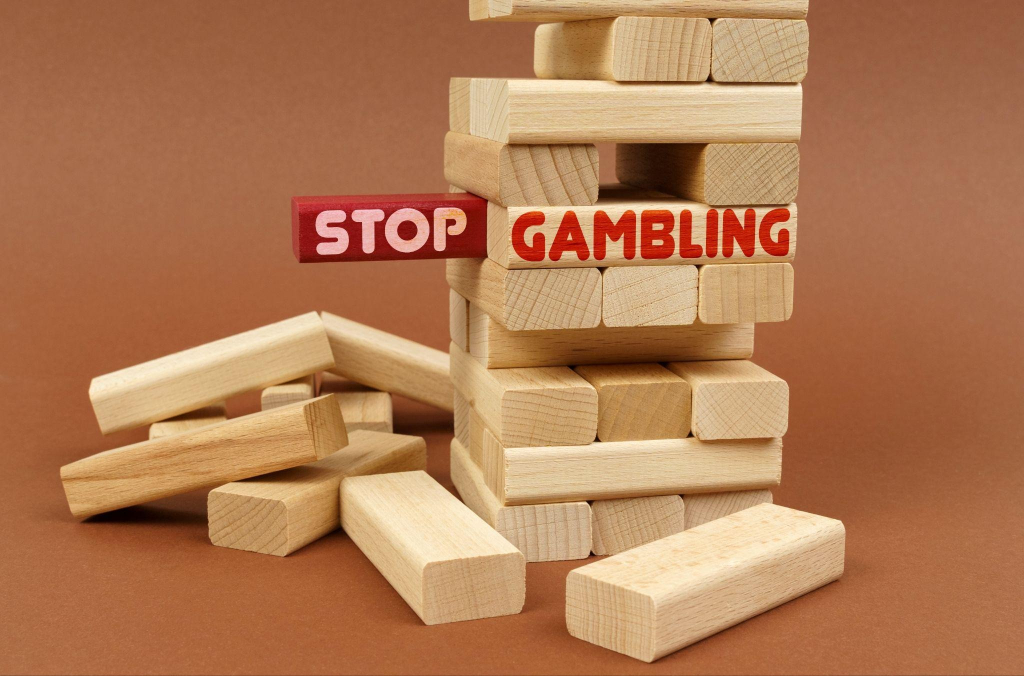
Understanding Lootboxes: Why They Matter
At their core, lootboxes are digital mystery items. A player pays with real money, earned currency, or time spent in a game to receive a package that contains random items. These items may have cosmetic value, like outfits or skins, or direct gameplay advantages.
Why does this matter? Because the uncertainty of reward—knowing that you will get something but not knowing what—activates the same psychological reward pathways associated with gambling.
Peer‑reviewed research indicates that children and adolescents are especially susceptible to these patterns due to the ongoing development of impulse control and reward processing in the brain.
Lootbox mechanics reward players intermittently and unpredictably. This is the same schedule of reinforcement that slot machines use—players don’t know when the “big win” will come, only that it might.
The Link Between Lootboxes and Problem Gambling Behavior
Multiple academic studies have drawn parallels between problem gambling and lootbox engagement in young players. These studies generally find that:
- Higher lootbox spending is correlated with problem gambling indicators in adolescents and young adults.
- Early exposure to randomized reward structures can normalize gambling‑like behavior.
- Children who engage with lootboxes report higher rates of impulsive decision‑making and risk seeking than peers who do not.
While lootboxes are not gambling in a legal sense in many jurisdictions, they tap into the same psychological vulnerabilities that make gambling dangerous—especially for a developing mind.
The Role of Standardized Testing and Academic Performance
Protecting children from gambling‑like systems isn’t only about behavioral health—it is also about cognitive development and academic success.
Research into standardized testing performance, particularly the math section of assessments like the SAT and ACT, shows that students perform best when they have strong executive functioning skills, such as:
- sustained attention,
- impulse control,
- long‑term planning.
Excessive engagement with unpredictable reward systems, such as lootboxes, can detract from time spent on activities that build these skills. Worse, the same reward pathways stimulated by lootboxes can make structured tasks—like solving math problems under time pressure—feel comparatively unrewarding, reducing a student’s motivation to engage deeply with academic practice.
It’s not uncommon for educators to see a dip in standardized test readiness when students prioritize high‑reinforcement activities (like games with lootboxes) over deliberate, focused study.
The randomness and instant gratification of gambling‑like systems compete with the delayed gratification necessary for mastering complex skills measured on math sections and other academic benchmarks.
Practical Steps for Parents: Signals and Boundaries
Recognizing the Risk
Here are some behavioral signals that may suggest unhealthy engagement with lootbox mechanics:
- Frequent requests for in‑game purchases with real money.
- Anxiety or agitation when unable to play.
- Spending significant amounts of time focused on reward unlocks rather than gameplay goals.
- Statements like “I might get something good this time” repeated often.
If these patterns are emerging, it’s worth stepping back and assessing how gaming fits into your child’s broader life balance.
Setting Clear Boundaries
Parents should consider the following strategies:
- Turn off microtransactions where possible: Many games allow in‑app purchases to be disabled.
- Use parental controls: Platforms like PlayStation, Xbox, and mobile ecosystems all offer purchase restrictions.
- Establish screen time rules: Create structured time for gaming, homework, and free play that doesn’t involve screens.
- Monitor spending closely: Children should not have access to unmonitored payment methods linked to games.
- Discuss the mechanics: Explain to your child how lootboxes work and how they resemble gambling.
These measures are not meant to demonize gaming but to provide a framework in which children can enjoy digital entertainment without exposure to risk factors that may influence future gambling behavior.
Leveraging Educational Resources and Healthy Gaming Practices
Parents and teachers can play a proactive role by introducing concepts of probabilistic thinking and delayed gratification in age‑appropriate ways. This includes:
- Encouraging puzzle games and logic challenges that reward skill over chance.
- Engaging in board games that explicitly teach probability and decision making.
- Setting gaming goals based on mastery, not reward.
Educational programs that emphasize critical thinking about odds, risk, and reward help children distinguish between games of skill and systems designed to exploit reward anticipation.
These programs also reinforce competencies that are directly beneficial when preparing for standardized tests, including the math section.
The Regulatory and Industry Context
Lootboxes are not just a family concern; they are a policy issue. Some countries and states have begun to evaluate whether lootboxes should be regulated similarly to gambling.
Regulatory bodies like the MGCB (which oversees gambling regulation in Michigan) have started conversations around disclosure and consumer protection, even if lootboxes are not yet classified as gambling in legal terms.
At the same time, major gaming stakeholders and entertainment companies are paying attention.
When companies that operate gambling platforms, from global brands like BetMGM to entertainment properties that host casinos and games, see regulatory scrutiny around gambling mechanics, it has a ripple effect across the industry.
The influence even extends to businesses that have strong physical gaming presences. For example, a brand like Tropicana Casino may not be directly involved in video game lootboxes, but its business contributes to a broader conversation about where we draw the line between entertainment and gambling.
Open Communication: The Best Defense
The most effective protection against unhealthy engagement with lootbox systems is open communication. Children often model behavior they don’t fully understand; they respond to incentives without recognizing the psychological pull being exerted on them.
Parents can:
- Talk about why random reward systems feel compelling.
- Compare them to traditional forms of gambling in a factual, non‑alarmist way.
- Reinforce that gaming should be a fun, social activity—not a source of psychological pressure.
These conversations give children the tools to think critically and make informed choices.

Related to This Article
More math articles
- Top 10 ISEE Upper-Level Math Practice Questions
- The Ultimate Keystone Algebra 1 Course (+FREE Worksheets)
- Top 10 Free Websites for TSI Math Preparation
- Full-Length 7th Grade FSA Math Practice Test-Answers and Explanations
- Can the CBEST Test be Waived?
- How to Use a Protractor to Draw Angles
- How to Write Equations of Horizontal and Vertical Lines
- A Comprehensive Collection of Free TABE Math Practice Tests
- Understanding Fractions for 5th Grade: Parts of a Whole and Division
- What Kind of Math Needed for Owning Your Own Business?







What people say about "How to Protect Children From Lootbox Gambling: A Responsible Gambling Guide for Parents and Educators - Effortless Math: We Help Students Learn to LOVE Mathematics"?
No one replied yet.