The Math Behind Slot Machines: Randomness, RTP, and Volatility
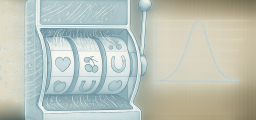
You can’t win against a slot machine. It’s not because they got some sort of secret that’s not to be found; they are made hard to break. If you are aware of what the house edge is, how the outcome is obtained, and how some characteristics might also influence the image that you see, you can play slots. With no illusion, with a clear head, and with healthy respect for the science behind every spin.
You cannot hack, time, or fool the motor of the slot machine, but you can enjoy the show if you can look at it the right way. Just know the chances and leave when the math says to, not when your instinct tells you to.
Frequently Asked Questions

What is a growing pattern?
A growing pattern in mathematics refers to a sequence where numbers or objects increase according to a specific rule or formula. In the context of slot machines, while players might think they observe a growing pattern in wins or losses, each spin is independent, driven by random number generators. This means there’s no predictable pattern or sequence in slot outcomes, emphasizing the role of randomness and probability. Understanding these concepts in everyday scenarios like slot machines can also be useful in explaining basic probability principles to students or children, helping them see the practical applications of math in real-world situations.
What is the rule for a growing pattern?
A growing pattern in mathematics refers to a sequence where each term increases according to a specific rule. In the context of slot machines, like those discussed in the post, the outcomes of each spin are independent, meaning there isn’t a predictable growing pattern in how slot results are determined. This randomness is important in understanding why patterns or “hot streaks” do not exist in such games. For a deep dive into understanding patterns and sequences in a more traditional math setting, you might find it helpful to read about sequences and series.

Related to This Article
More math articles
- A Deep Dive into the Integral Test
- Top 10 4th Grade PSSA Math Practice Questions
- How to Convert Place Values?
- How to Choose the Best Backup Software Solution for School Districts?
- How to Graph the Sine Function?
- The budget line shows purchasing possibilities
- Reaction Types and Redox: Oxidation, Reduction and Agents
- Full-Length 6th Grade PARCC Math Practice Test-Answers and Explanations
- Temperature, Gases, and Thermal Expansion
- Du Bois, Addams, and Public Sociology

What people say about "The Math Behind Slot Machines: Randomness, RTP, and Volatility - Effortless Math"?
No one replied yet.