Question order
Chapter 37 of the CLEP American Government study guide on Effortless Math covers Question order: the key terms, the core ideas, and worked examples showing how this topic is tested on the exam.
CLEP American Government, Chapter 37
Question order
A respondent answers the question placed in front of her, not an abstract idea floating outside the interview. Leading wording signals a preferred response. Loaded wording attaches praise or blame. Vague language leaves the policy undefined, and a double-barreled question joins two matters that a person may judge differently. "Do you support the responsible reform?" carries approval into the item.
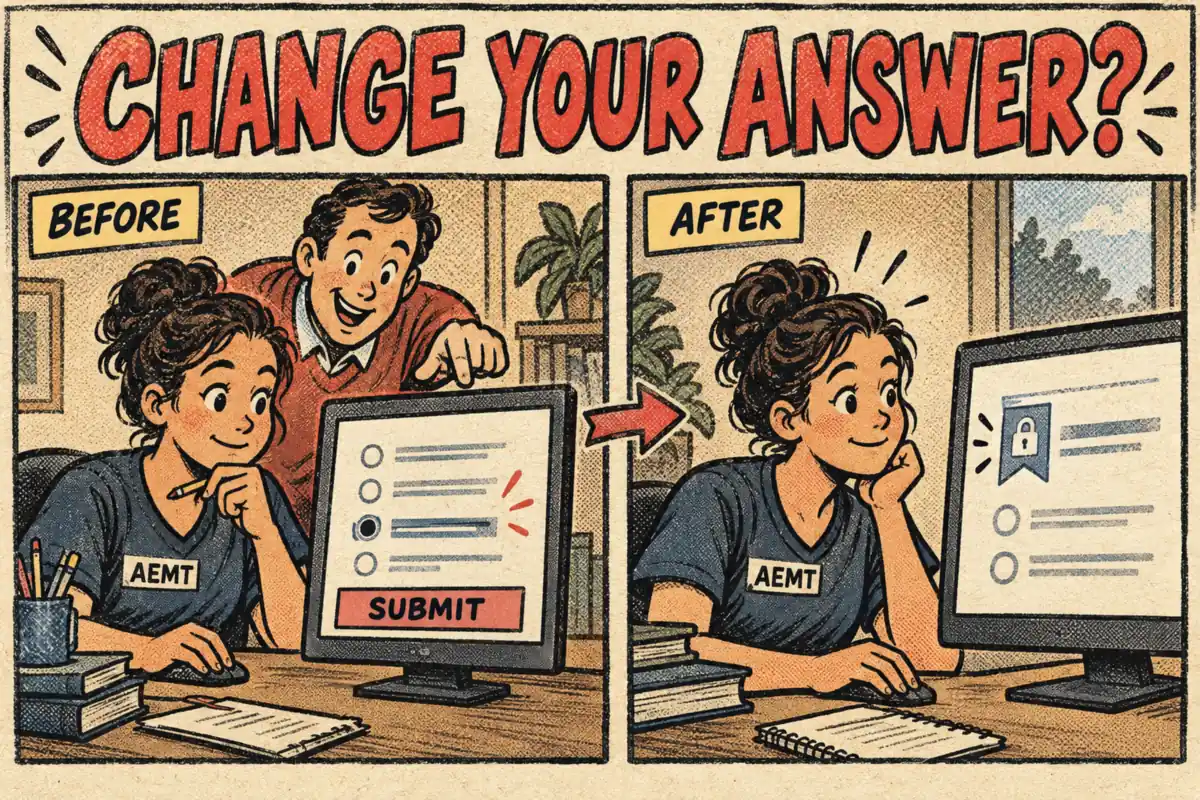
Question order supplies context. An earlier item can prime an issue, provide information, create a desire for consistency, or establish a comparison for what follows. Asking about a recent school scandal before asking whether the superintendent is trustworthy may lower ratings. Split questionnaires, randomized blocks, and reversed response orders can detect the effect.
The goal is appealing, but the object is underspecified. If the budget question follows several stories about student awards, order may further elevate supportive considerations. An anonymous survey may also produce different answers from a public interview if residents fear appearing hostile to children.
Keep the sources of error separate: wording determines what was asked, order shapes the context, and response bias affects what people report. Probability selection cannot rescue a misleading item administered to everyone. The exact questionnaire is part of the evidence, not a technical detail hidden behind the headline.
Video lesson: Science Behind the News: Opinion Polls & Random Sampling

Related to This Article
More math articles
- The Best Grade 4 Math Book for Rhode Island Students
- Free Grade 7 English Worksheets for Delaware Students
- 10 PSAT Math Practice Questions with Answers
- Free Grade 8 English Worksheets for West Virginia Students
- Vises and Clamps: Holding Work Safely
- Top 5 Tutors in Toronto for Math Success
- Overview of the FTCE General Knowledge Math Test
- Free Grade 4 English Worksheets for Common Core Students
- How to Determine Functions?
- How to Ace AP Calculus AB in 2026: Self-Study or Classroom Playbook











What people say about "Question Order Effects in Polls"?
No one replied yet.