Resources, civic skills, and mobilization
Chapter 38 of the CLEP American Government study guide on Effortless Math covers Resources, civic skills, and mobilization: the key terms, the core ideas, and worked examples showing how this topic is tested on the exam.
CLEP American Government, Chapter 38
Resources, civic skills, and mobilization
The civic voluntarism model emphasizes resources, psychological engagement, and recruitment. Time permits attendance and volunteer work; money supports donations and organization; civic skills make writing, speaking, planning, and chairing meetings easier. Political interest and efficacy provide motivation.
Resources are unequal and activity-specific. Disposable income most directly facilitates donating; flexible time supports meetings; communication skills aid testimony and contacting. Organizations can compensate by providing transportation, childcare, translation, templates, and training. They can also reproduce inequality when leadership networks recruit people already rich in skills and status.
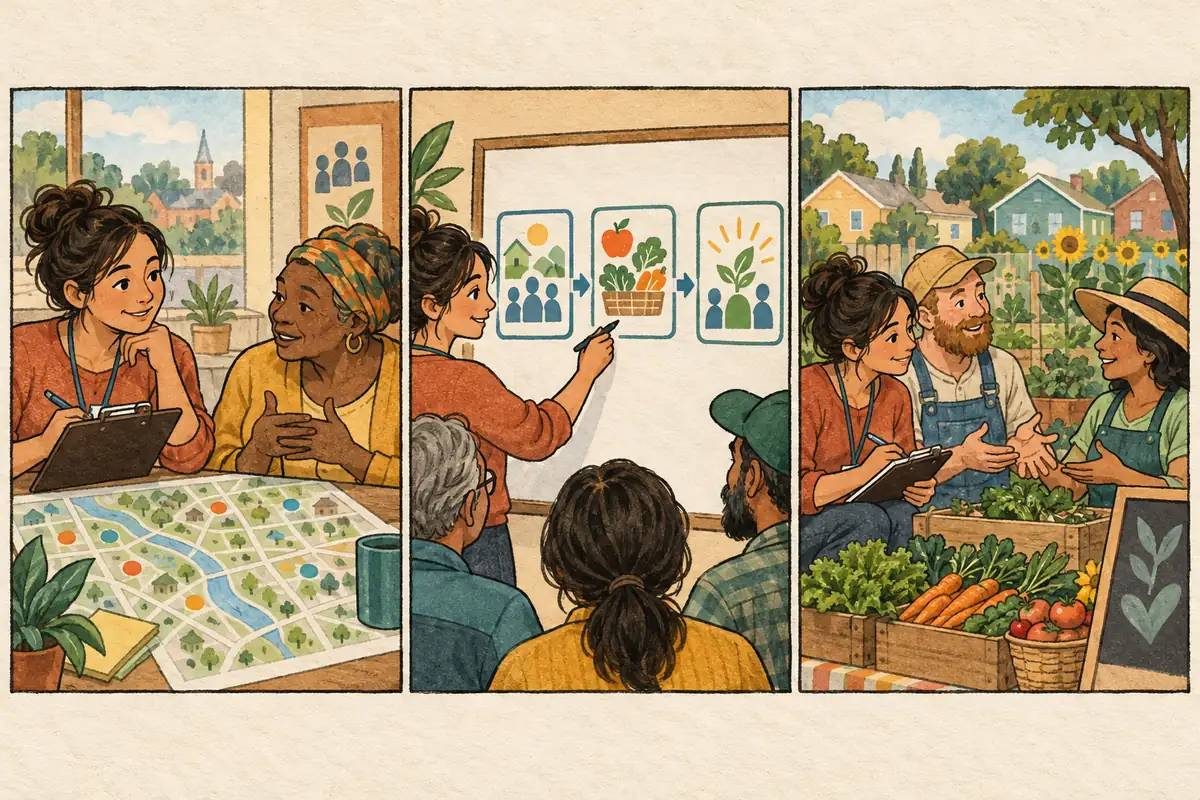
Mobilization is the process of activating potential participants through information, reminders, social pressure, assistance, and personal contact. A registration link reduces an administrative cost; a trusted neighbor's invitation adds accountability; transportation solves a logistical barrier. Mobilization is usually targeted because campaigns and movements have limited resources. Contacting likely supporters can increase efficiency while leaving less visible communities outside repeated political attention.
Failure to pass one bill does not prove no effect; high visibility does not prove durable institutional change. Keep the roles distinct: movements coordinate sustained change, mobilization activates particular people, civic skills increase capacity, and efficacy shapes perceived competence and responsiveness. Resources make action easier without mechanically determining who participates or what the movement achieves. To judge influence, trace the mechanism from organization to outcome: recruitment, skill development, resource provision, framing, disruption, bargaining, elections, or legal enforcement.
Video lesson: Dr Cohen on Political Participation Explained | Voting, Protest & Civic Engagement

Related to This Article
More math articles
- Free Grade 3 English Worksheets for California Students
- Religion, Science and Education: Common Schools and Antebellum Knowledge
- Free Grade 8 English Worksheets for District of Columbia Students
- With two shifts, separate what is certain
- Free GED Math Practice Test and 20 Sample Questions
- Idaho ISAT Grade 4 Math Free Worksheets: 72 Free PDF Worksheets, One Skill at a Time
- The Unit Circle
- Stereotypes, Prejudice, and Discrimination
- Logrolling
- The Best Grade 7 ELA Practice Tests for Washington Students





















What people say about "Resources, Civic Skills, and Mobilization"?
No one replied yet.