Public Policy, Bureaucracy, and Implementation
Chapter 19 of the Sociology for Beginners study guide on Effortless Math covers Public Policy, Bureaucracy, and Implementation: the key terms, the core ideas, and worked examples showing how this topic is tested on this course.
Sociology for Beginners · Chapter 19
Public Policy, Bureaucracy, and Implementation
Public policy is a course of government action or deliberate inaction toward a public problem. Adoption is only one stage. Officials define the problem, place it on an agenda, design a response, allocate money, write rules, implement programs, and evaluate outcomes. Power operates at every stage.
An issue can remain outside the agenda even when many people experience it. This is sometimes called the second face of power: the ability to keep a conflict from reaching formal decision. Media attention, social movements, crises, and organized interests can change which problems receive a hearing.
Bureaucracy supplies continuity, expertise, records, and standardized procedure. Those features can make treatment predictable. They can also create delay, rigidity, and goal displacement, where following a rule becomes more important than the purpose it was meant to serve. The strongest conclusion identifies the mechanism rather than assuming that every large organization is inefficient.
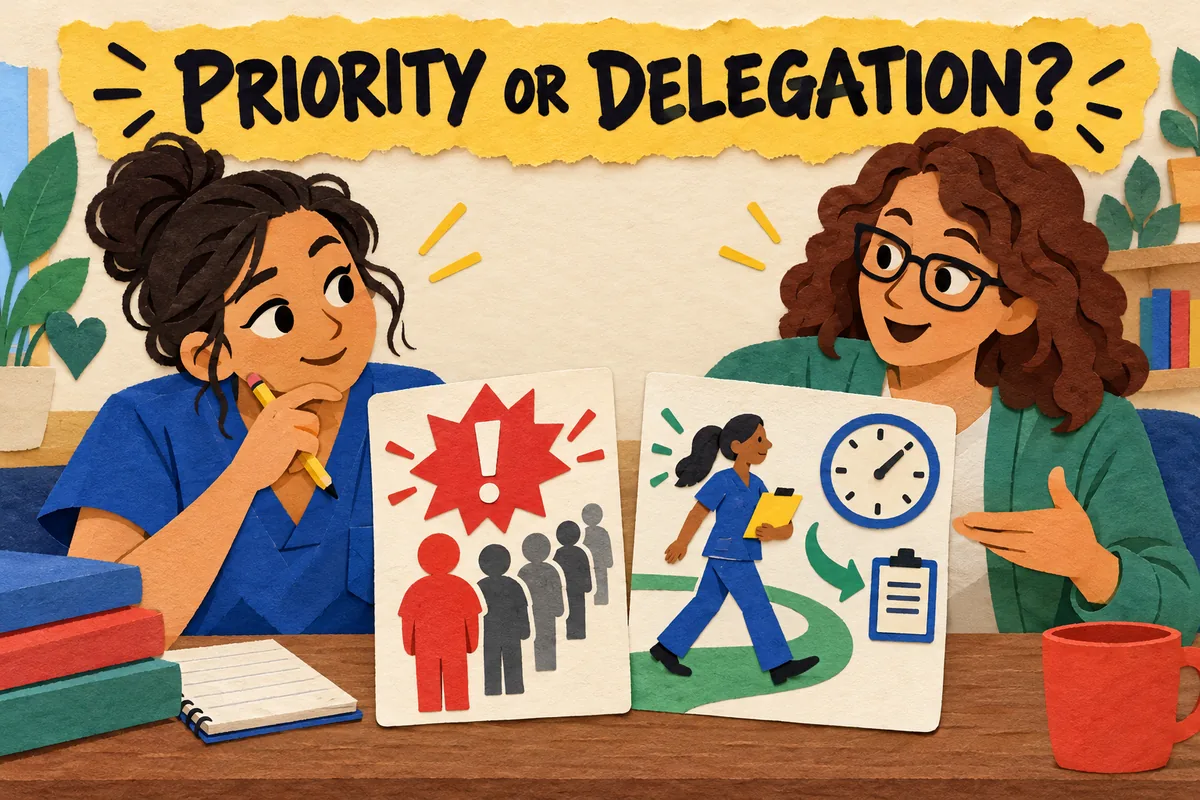
Street-level bureaucrats are frontline public workers whose decisions help produce policy in practice. Teachers, police officers, caseworkers, inspectors, and public defenders often work under limited time and resources. They interpret categories, set priorities, and exercise discretion. Two offices operating under the same law may therefore produce different access or enforcement.
Policy feedback occurs when a policy changes later politics. A benefit can create a constituency that defends it. A difficult application process can discourage participation and weaken public support. Policies shape resources, identities, expectations, and the groups that organize around them.
Evaluation distinguishes outputs from outcomes. The number of applications processed is an output. Reduced hunger, improved safety, or higher graduation is an outcome. A program can meet its processing target without solving the problem, or produce a useful outcome through a route not captured by its original count.
Quick review: Policy moves from problem definition to adoption, implementation, and evaluation. Agenda power shapes which issues receive decisions. Bureaucracy provides expertise and standardization while creating possible rigidity. Frontline discretion and local capacity explain why one law can produce different results.
Watch the lesson connection
Politics and Power gives you a second explanation of the ideas surrounding this lesson. As you watch, pause when the lesson concept appears and explain how the example fits.
Try the idea yourself
Write one original example, one close nonexample, and one observation that would help you tell them apart. That small exercise turns a definition into a sociological tool you can use in daily life.

Related to This Article
More math articles
- Flashback and Foreshadowing
- Incitement
- Chemical Bonds and Compound Names: Charges, Formulas, and Prefixes
- 4th Grade MCAS Math FREE Sample Practice Questions
- The Ultimate 7th Grade RISE Math Course (+FREE Worksheets)
- How to Simplify Fractions? (+FREE Worksheet!)
- The Ultimate 7th Grade SOL Math Course (+FREE Worksheets)
- Bicameral Congress: How the House and Senate Agree
- Idaho Algebra 1 Free Worksheets: 64 Free Algebra 1 PDF Worksheets, One Skill at a Time
- Grade 2 English Worksheets for Utah Students — Free PDFs





















What people say about "Public Policy, Bureaucracy, Implementation"?
No one replied yet.