Prime and Composite Numbers for 4th Grade

A prime number has exactly two factors, one and itself; a composite number has more. That is why one is neither. To test a number, check for factors up to its square root. The examples below work through that, with practice problems and answers.
DETAILED EXPLANATION
A prime number has exactly two factors (1 and itself). A composite number has more than two factors. 2, 3, 5, 7 are prime; 4, 6, 8, 9 are composite.
WORKED EXAMPLES WITH STEP BY STEP SOLUTIONS
Example 1
Is 17 prime or composite?
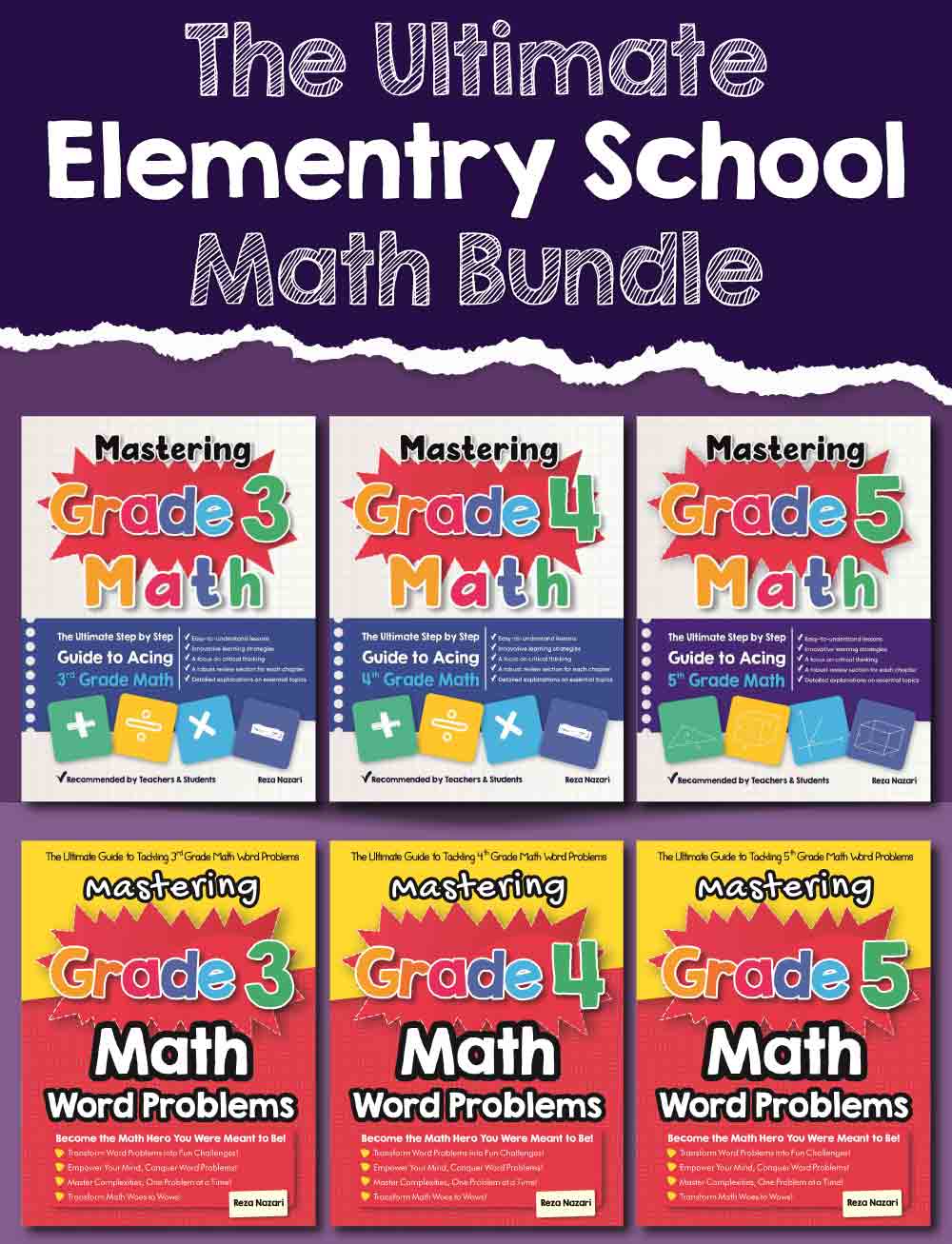
The Absolute Best Book to Ace Grade 4 Math
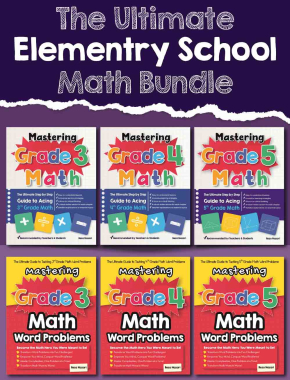
Original price was: $109.99.$54.99Current price is: $54.99.
Solutions:
Step 1: Apply the concept from the lesson above.
Step 2: Carry out the operation or reasoning.
Answer: 17 has factors 1 and 17 only. So 17 is prime.
Mastering Grade 4 Math Word Problems
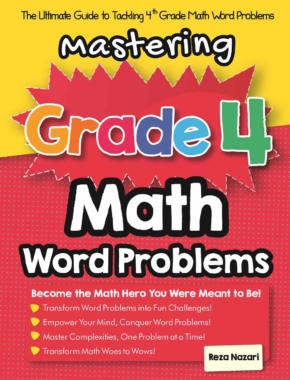
Original price was: $29.99.$16.99Current price is: $16.99.

Related to This Article
More math articles
- Validity and Logical Fallacies
- Grade 4 Discussion and Simple Research Skills: Stronger Speaking, Listening, Notes, and Sources
- CLEP U.S. History I 091: Fugitive Slave Act and Resistance
- Membrane Transport
- The Integumentary System
- How to Find Fractions of Time Units
- The Best Grade 8 ELA Practice Tests for Wyoming Students
- Algebra Puzzle – Challenge 56
- DNA and RNA Structure: Key Differences and Worked Examples
- Digital Clock for 4th Grade
What people say about "Prime and Composite Numbers: Grade 4"?
No one replied yet.