Geometry Made Easy: Tips and Strategies for Success


Welcome, concerned parents of 9th-grade students! As your child navigates the challenging world of math, particularly Geometry (Geometry), it’s natural to seek guidance and support to ensure their success. In this comprehensive guide, we will delve into valuable tips and strategies to make Geometry more manageable and enjoyable for your child. With a focus on practical advice and insightful information, you’ll discover how to empower your child in mastering Geometry with confidence. For additional educational resources, visit the U.S. Department of Education website.
Understanding the Geometry 9 Grade Math Test
Geometry (Geometry) in 9th grade covers a variety of topics, including shapes, area, perimeter, and spatial reasoning. This test evaluates your child’s understanding of geometric concepts and their ability to apply them in problem-solving situations. The test typically consists of multiple-choice questions, free-response questions, and sometimes proofs, assessing both knowledge and reasoning skills.
Key Math Skills Your 9 Grader Needs to Master
Mastering Geometry in 9th grade demands proficiency in various math domains:
- Operations & Algebraic Thinking: Solving equations, understanding functions.
- Number & Operations in Base Ten: Working with decimals, powers of ten.
- Number & Operations – Fractions: Adding, subtracting, and multiplying fractions.
- Measurement & Data: Understanding units, interpreting data.
- Geometry: Identifying shapes, calculating areas and perimeters.
Building Strong Math Foundations at Home
Supporting your child’s math journey starts at home. Here are some effective practices to reinforce mathematical concepts:
- Daily Practice Strategies: Encourage your child to practice Geometry concepts daily through worksheets or online resources.
- Making Math Part of Everyday Activities: Incorporate math into daily routines like cooking, budgeting, or measuring ingredients.
- Games and Activities: Engage in math-related games that enhance problem-solving and critical thinking skills.
- Using Manipulatives and Visual Aids: Utilize tools like geometric shapes or virtual manipulatives to visualize concepts.
- Reading Math Books Together: Explore math-themed books that make learning engaging and fun.
- Technology Resources: Leverage educational apps and websites to supplement classroom learning.
Effective Study and Practice Strategies
To help your child excel in Geometry, consider the following study and practice techniques: For education statistics and research, visit the.
- Creating a Realistic Study Schedule: Establish a consistent study routine that bala learning and breaks.
- Making Practice Sessions Enjoyable and Engaging: Gamify learning by turning practice into a rewarding challenge.
- Using Practice Tests Effectively: Mimic test conditions to build familiarity and confidence.
- Reviewing Mistakes Constructively: Analyze errors to identify areas for improvement and growth.
- Building Stamina for Longer Practice Sessions: Gradually increase study durations to enhance focus and endurance.
- Tracking Progress Over Time: Monitor growth and celebrate achievements to stay motivated.
Test-Taking Strategies and Techniques
Equip your child with effective strategies to navigate Geometry tests with confidence:
- Time Management Strategies: Allocate time wisely to ensure all questions are attempted.
- How to Read Word Problems Carefully: Break down complex problems into manageable steps for better understanding.
- Problem-Solving Strategies: Encourage various approaches to problem-solving to enhance critical thinking skills.
- When and How to Skip Difficult Questions: Prioritize easier questions to maximize scoring potential.
- Checking Work Effectively: Review answers for accuracy and completeness before submitting.
- Handling Different Question Types: Practice diverse question formats to build proficiency in all areas.
Supporting Your Child Emotionally
Emotional support plays a crucial role in your child’s math success:
- Recognizing and Managing Test Anxiety: Implement relaxation techniques and positive affirmations to alleviate stress.
- Building Confidence Through Small Wins: Celebrate incremental achievements to boost self-esteem.
- Creating a Positive Learning Environment at Home: Foster a supportive atmosphere that encourages exploration and growth.
- Dealing with Setbacks Constructively: Emphasize the learning process over perfection and resilience in the face of challenges.
- Celebrating Progress, Not Just Perfection: Acknowledge improvement and effort as valuable markers of success.
- Encouragement Strategies That Work: Offer words of encouragement and motivation to inspire continued effort.
Practice Resources and Tools
Explore a range of practice materials and tools to enhance your child’s Geometry skills:
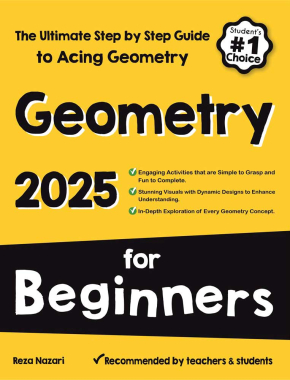
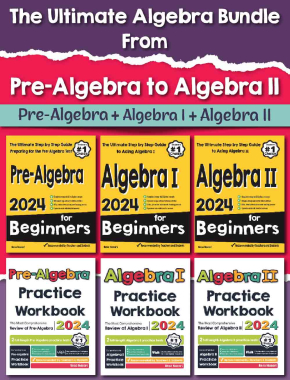
- Review comprehensive practice books like “5 Geometry Grade 9 Math Practice Tests” designed to align with test content.
- Utilize online resources and educational apps that offer interactive practice opportunities.
- Learn how to select quality practice materials and create custom practice problems tailored to your child’s needs.
- Collaborate with teachers and utilize school resources to reinforce classroom learning and address specific areas of improvement.
Creating a Test Day Success Plan
Prepare your child for test success with effective planning and routines:
- Prior to the test, ensure your child is well-rested, nourished, and mentally prepared.
- Establish a pre-test routine the day before to reduce stress and promote focus.
- On the test day, equip your child with necessary materials, establish a calming morning routine, and provide encouragement.
- Promote healthy habits like sleep, nutrition, and physical activity to support overall well-being and cognitive function.
- After the test, discuss your child’s experience, celebrate their efforts, and address any concerns or areas for improvement.
Final Thoughts
Our Best Seller Books
In conclusion, supporting your child through their Geometry journey involves a combination of academic guidance, emotional support, and effective study strategies. By implementing the tips and strategies outlined in this guide, you can empower your child to navigate Geometry with confidence and excel in their math endeavors. Remember, consistency, positivity, and encouragement are key to fostering a strong math foundation and instilling a lifelong love for learning.
Recommended Math Resources

Related to This Article
More math articles
- The Ultimate ISEE Lower-Level Math Course (+FREE Worksheets & Tests)
- 6th Grade NHSAS Math Worksheets: FREE & Printable
- How to Simplify Ratios? (+FREE Worksheet!)
- How Hard Is the ALEKS Math Test?
- How to Classify Numbers?
- How to Write an Exponential Function: Word Problems
- ASVAB Math FREE Sample Practice Questions
- How to Find the Constant of Variation
- Comparing and Ordering Numbers for 5th Grade: Tips and Practice
- Full-Length ISEE Lower Level Math Practice Test-Answers and Explanations






What people say about "Geometry Made Easy: Tips and Strategies for Success - Effortless Math: We Help Students Learn to LOVE Mathematics"?
No one replied yet.